One of the greatest massacres of our last century took place in China during World War II. Unfortunately, while Westerners talk a lot about the Holocaust, they never mention this massacre, and this topic has never been addressed. Moreover, the Japanese have not even apologized for the inhumane crimes they committed in China during the war. Today, December 13th, marks the 88th anniversary of the beginning of the Nanjing Massacre. Those who lost their lives in the massacre were commemorated once again.
Japanese Expansionism in Asia and the Nanjing Massacre
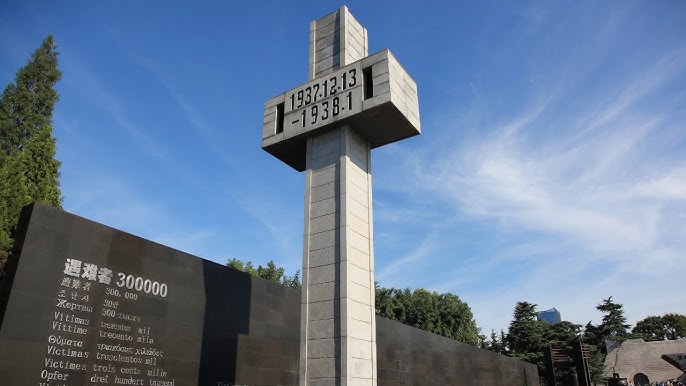
With Meiji Restoration efforts in industrial and military fields in the late 19th century, Japan became a significant power in the Asia-Pacific region. This led to the emergence of ideas about expanding Japan’s dominance in Asia. On September 18, 1931, using the Mukden Incident as a pretext, Japan invaded the Manchuria region and secretly placed the former Qing Emperor Puyi, whom they had abducted, at the head of the puppet Manchurian government. From 1931 to 1937, Japan and China engaged in various conflicts. However, the war definitively began with the Marco Polo Bridge incident on July 7, 1937, marking the start of the Second Sino-Japanese War. The Japanese and Chinese armies first engaged in fierce clashes in Shanghai in November 1937, and the war intensified with the Japanese army’s entry into Nanjing, the capital at the time, on December 13, 1937. Following the fall of the capital Nanjing on December 13, 1937, the Japanese massacred approximately 300,000 civilians, including women, children, and the elderly, in Nanjing over the six weeks leading up to March 1938. Before coming to China, I had very little knowledge of the Nanjing Massacre. Visiting the Nanjing Massacre Museum allowed me to witness firsthand the horrific nature of this human tragedy. The museum displays photographs and documents related to many aspects of the event, such as the use of Chinese women as sex slaves to appease Japanese soldiers, and the various forms of massacres of unarmed civilians. You can also see mass graves and the remains of thousands of civilians. However, what struck me most during my research on the Nanjing Massacre and my visit to the museum was China’s emphasis on peace rather than fostering hatred towards Japan.
Movie recommendations related to the Nanjing Massacre
We have listed various movie recommendations on this topic for you.
Dead to Rights (2025)
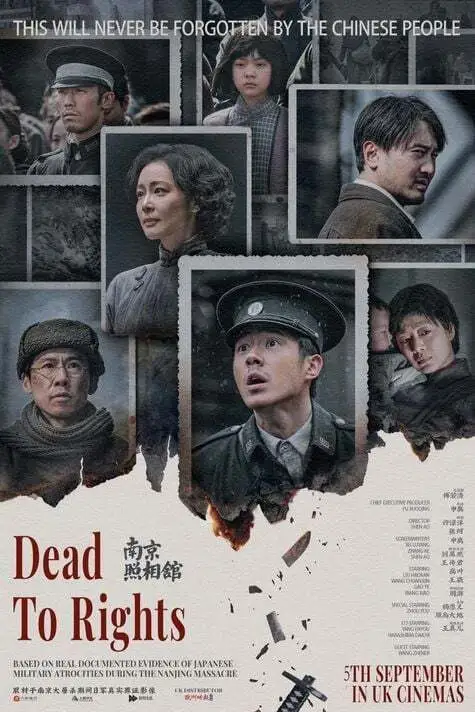
The movie ‘Dead to Rights’, originally titled ‘Nanjing Photography Studio (南京照相馆)’ in Chinese, was released on the 80th anniversary of the victory in the Second Sino-Japanese War. The film’s plot revolves around a postman who, posing as a photography developer, smuggles out the negatives of a Japanese military photographer who captured images of the massacres in Nanjing after its fall, intending to expose them to the world.
Nanjing! Nanjing! City of Life and Death (2009)
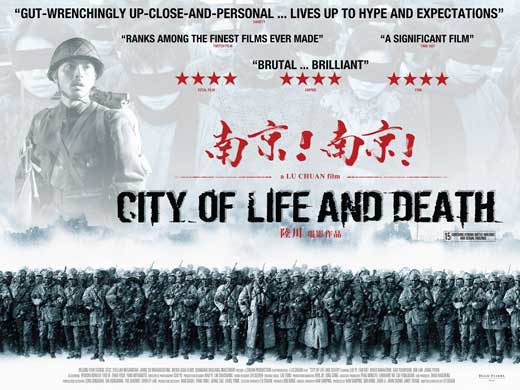
This is the best movie on the subject and a must-see. It shows all the massacres committed by the Japanese in Nanjing in their rawest form.
Nanking (2007)
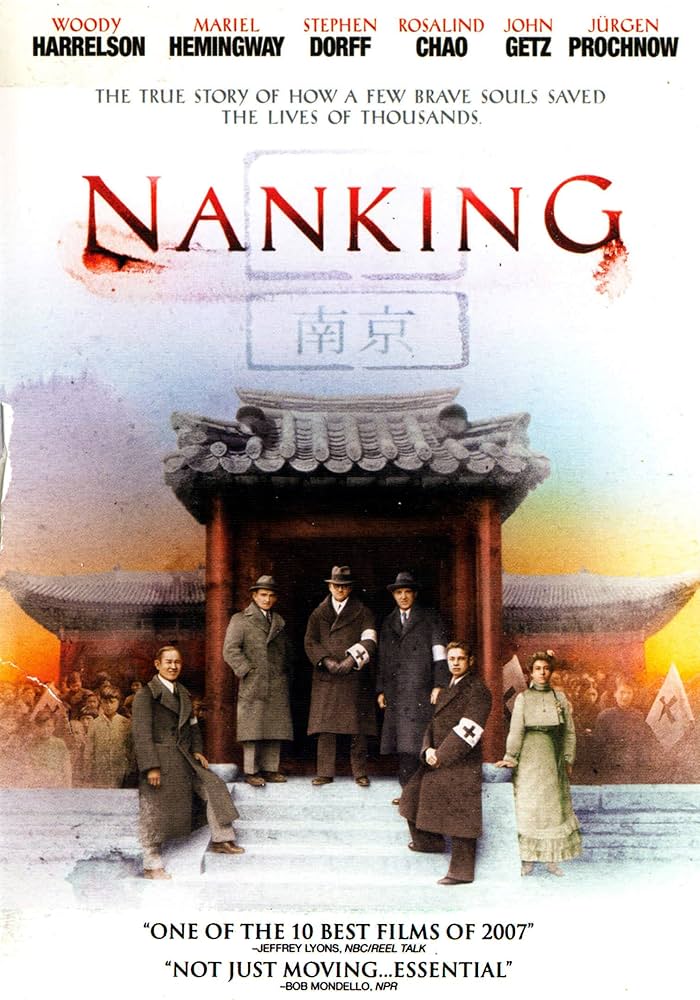
This is a 2007 documentary movie inspired by Iris Chang’s book “The Rape of Nanjing” (1997).
John Rabe (2009)
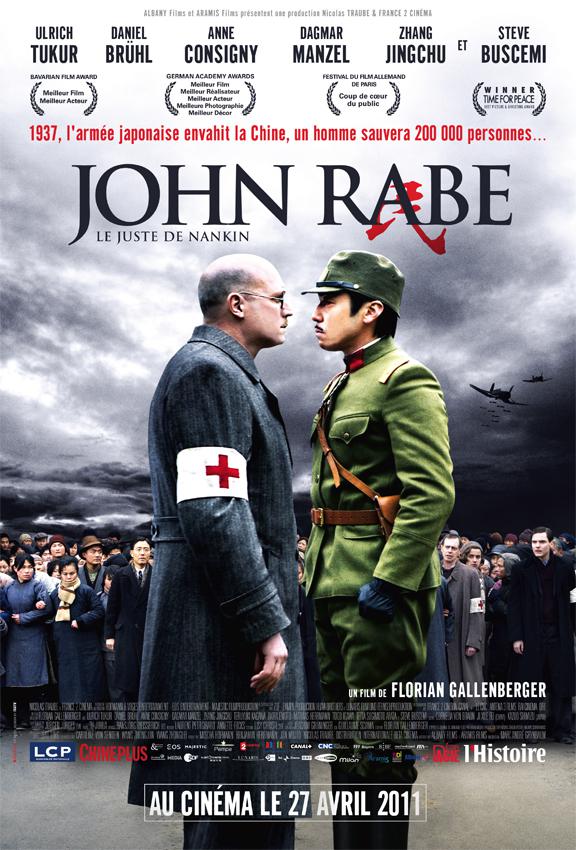
This movie is based on the diaries of John Rabe, a German businessman and manager of a Siemens branch. The movie depicts Rabe’s efforts to establish a safe zone for civilians and rescue Chinese civilians.
The Flowers of War (2011)
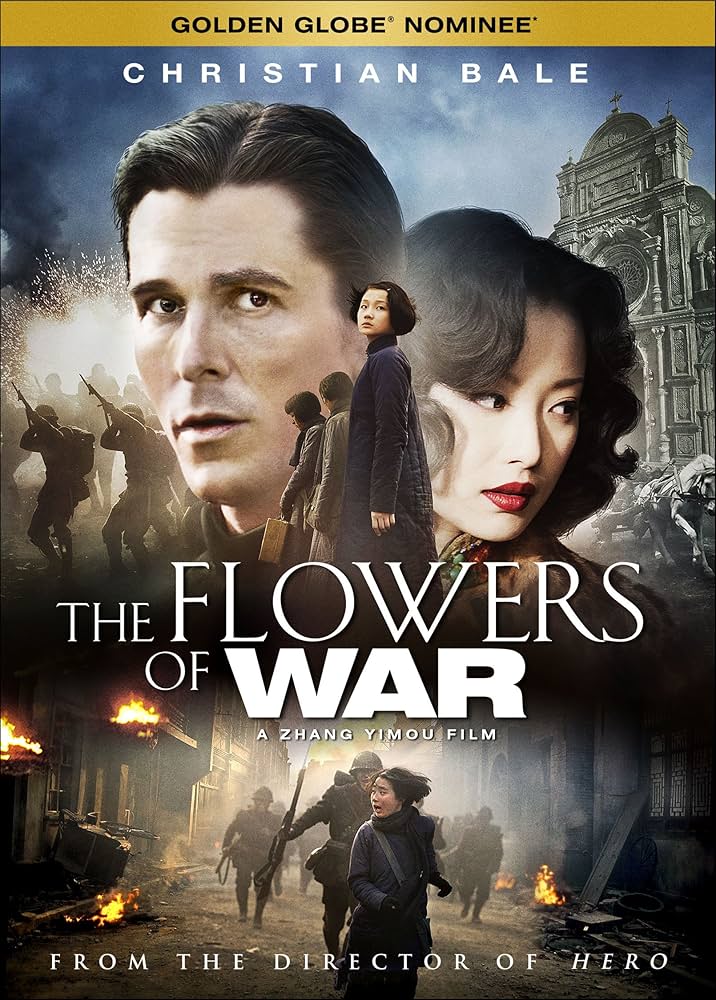
Starring Christian Bale, this movie tells the story of an American who, during the occupation, takes refuge in a church with a group of women and tries to lead them to safety by disguising himself as a priest.
Black Sun: The Nanking Massacre (1995)
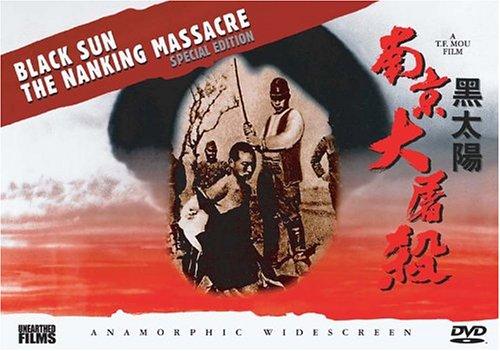
This Hong Kong movie powerfully portrays the horrific massacres in Nanjing.
About the Author